


In recent days, the G7 held a meeting to discuss the potential release of 100 million barrels of diesel in light of current global political uncertainty.
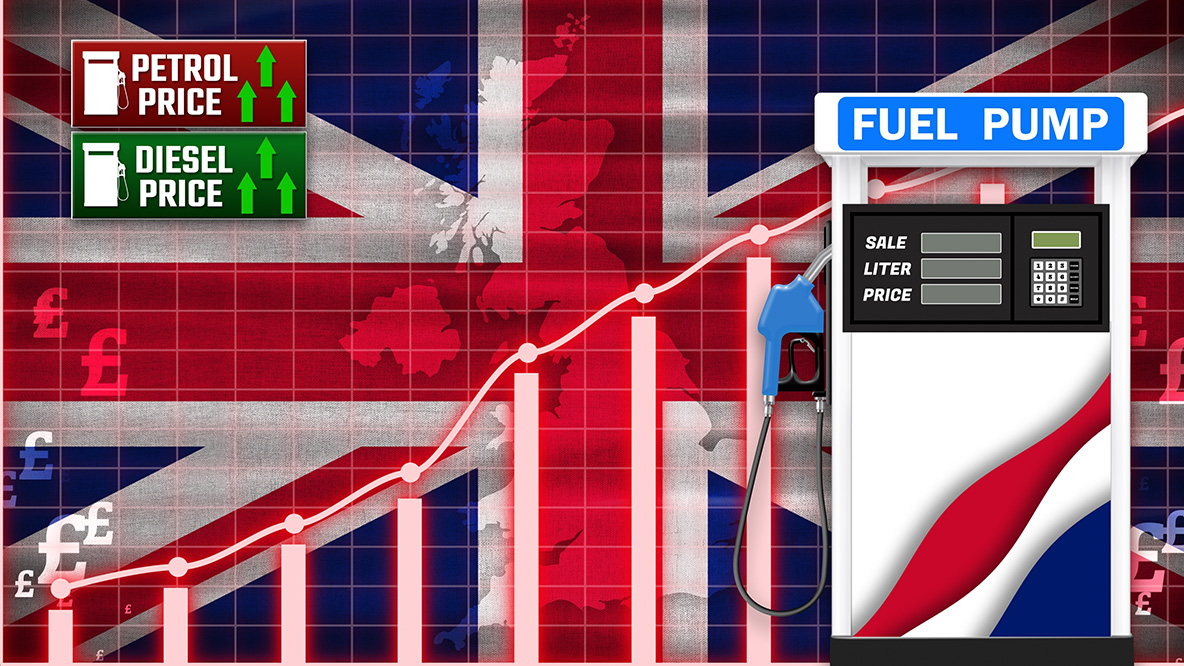
The price of fuel in the UK continues to rise, with the RAC releasing data showing that the average price of diesel is hitting over £2.
For businesses that are trading internationally, building business resilience in light of the fuel crisis is imperative to ensure business continuity.
How does the fuel crisis affect internationally trading businesses?
Fuel is the backbone of all trade. Whether it is trading internationally or during manufacturing, all businesses that trade need fuel.
The first issue is one of the most obvious: the inflated cost of fuel. Businesses are having to spend more money on shipping simply due to the fuel cost.
Whether it is the cost to fill a lorry up with diesel or sending goods by ship to their desired location, overall profit margins can be drastically reduced.
Another consideration comes with the cost of manufacturing overheads. Manufacturers rely on significant amounts of electricity for production, which inevitably leads to heightened manufacturing costs in light of a fuel crisis.
It could also be the case that supply chains can be delayed. Higher fuel costs can contribute to supply chain disruption as transport providers seek to optimise routes, reduce journeys or pass on increased operating costs.
These slower transit times then mean that stock is tied up on boats rather than creating working capital for businesses, placing further strain on cash flow.
How can internationally trading businesses build resilience in uncertain times?
One of the most important ways to mitigate the fuel crisis is to build business resilience. As circumstances change, businesses need to map out what they plan to do to mitigate these issues and protect their cash flow.
Some examples of building business resilience include:
- Understanding fuel use: Businesses need to understand exactly what parts of their operations rely on fuel and then see how fuel use can be minimised during the fuel crisis to protect cash flow.
- Diversifying supply chains: Business owners should check their suppliers’ continuity plans and look for alternative suppliers in case of supply chain failure.
- Resource reallocation: Businesses should start to prioritise core resources over non-essential functions to protect cash flow.
- Going green: Businesses may want to begin considering alternative technologies and working practices that do not solely rely on fuel. This could be by adding electric vehicles or encouraging remote working to lower travel demand.
These are just a few of many ways that a business can build resilience during politically uncertain times.
Building resilience is imperative to ensuring that your business does not face huge cash flow challenges during the fuel crisis.
How can Reanda support your business?
Cash flow challenges are bound to rise amidst the fuel crisis for businesses that are trading internationally.
Our team at Reanda are here to help your business build resilience by modelling the financial impact of the fuel crisis to see what your business can withstand.
We are committed to ensuring that businesses’ cash flow remains stable during uncertain times.
For support with building business resilience in the face of political uncertainty, get in touch with our team!