


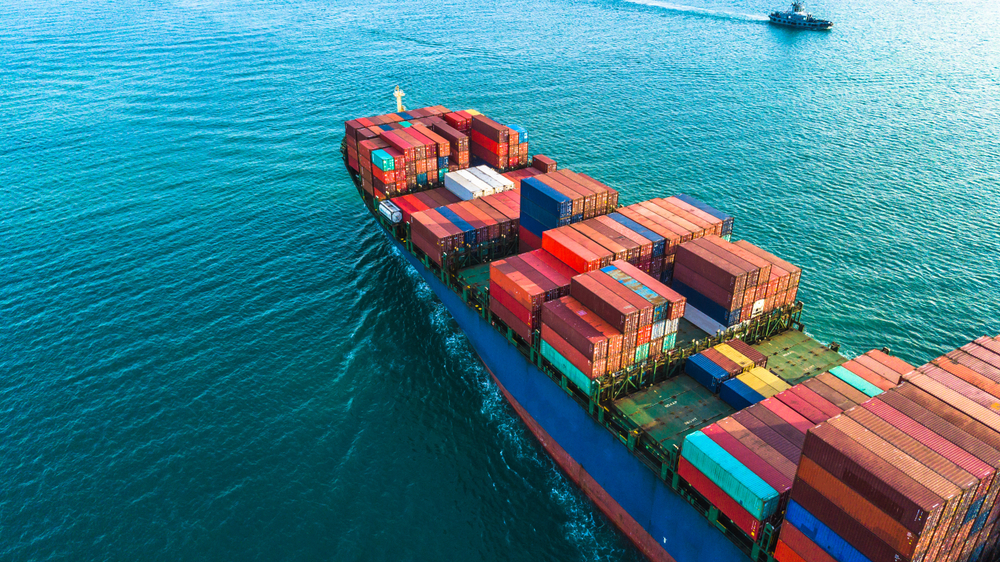
The UK is placing greater focus on environmental accountability and compliance across the board.
From 1 January 2027, businesses must comply with an all-new scheme: the Carbon Border Adjustment Mechanism (CBAM), which is designed to ensure that imported carbon-intensive goods face a comparable carbon cost to goods produced in the UK.
While many businesses may be aware of their environmental reporting requirements, they may fail to realise the compliance impacts of CBAM.
What is CBAM and why is it being introduced?
CBAM is a new carbon pricing mechanism that imposes a charge on certain imported goods based on their embodied emissions. It will only be imposed on certain imported goods, including aluminium, cement, fertiliser, hydrogen, iron and steel.
This scheme has been introduced to address carbon leakage in the UK, which occurs when businesses move production to countries with lower environmental standards or lower carbon costs.
CBAM is a policy to support the UK’s efforts towards decarbonisation, so that a level playing field exists between UK manufacturers and overseas producers.
Businesses must remember that this policy works alongside the UK’s Emissions Trading Scheme, not in place of it.
Will this affect my business?
Not all businesses will be affected by the new scheme. Only businesses that import over £50,000 of CBAM materials will be directly affected, while businesses that use these goods in their supply chain will be indirectly impacted.
If your business operates within the manufacturing, construction, engineering or the importing of industrial materials sector, you may be particularly impacted.
For example, if you are a manufacturer importing aluminium components from overseas suppliers, you may need to obtain detailed emissions information to calculate your CBAM obligations.
However, even businesses that operate outside of these bounds may be affected by increased costs if suppliers pass on the additional compliance expenses.
Organisations with international supply chains should now be reviewing their imported goods to ascertain whether they fall into scope.
How should I prepare my business for compliance?
Before CBAM comes into effect, businesses should ensure that they are properly prepared, whether they are directly or indirectly impacted.
Some methods of preparation include:
- Review your supply chain: Identify if any products you import fall within the scope of CBAM.
- Assess data collection processes: The regime relies on information concerning the emissions produced during manufacture. Businesses may need stronger systems for obtaining and validating data from overseas suppliers.
- Strengthen record keeping: Importers will need appropriate records to demonstrate compliance, HMRC has outlined the extensive record-keeping requirements.
- Consider reporting procedures: Finance teams, compliance teams and senior management should understand who is responsible for monitoring imports, maintaining records and submitting any required returns.
Businesses need to ensure that they have strong statutory compliance procedures in place as environmental and tax regulations evolve.
How can we help
Although the UK’s Carbon Border Adjustment Mechanism does not take effect until January 2027, businesses should already be assessing the impact it could have on their operations.
Reviewing supply chains, strengthening internal controls and ensuring accurate record-keeping now can help reduce the risk of future compliance issues.
Professional support with audit, statutory compliance and regulatory reporting can provide reassurance that your business remains prepared as environmental obligations continue to develop.
For support with CBAM, get in touch with our team.