


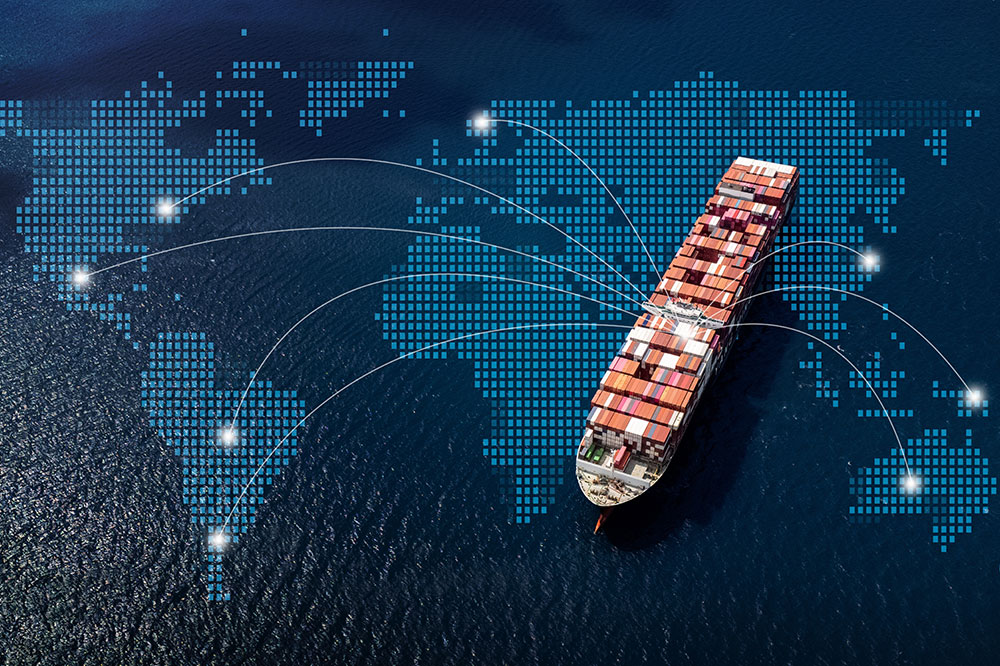
International trade can offer a host of growth opportunities for exporters. However, it also comes with constant financial pressures.
Managing cash flow is difficult when exporting nationally, let alone when there are international considerations to take into account.
For a new or established exporter, you must understand how cash flow issues can trip up your international exports.
Long payment cycles and missed payments
One of the biggest issues for businesses exporting internationally is long payment cycles and missed payments.
Exporters will often work on extended credit terms, which range from 30 to 120 days, meaning that payments can be received long after the goods have been shipped and delivered.
During this period of time, businesses still need to manage their day-to-day operational expenses, creating a gap in liquidity and therefore putting pressure on cash flow management.
There then becomes an issue with missed payments if payments are made late or not at all. Collecting debt from foreign countries can be difficult or sometimes impossible if the customer goes bankrupt.
Currency exchange fluctuations
Trade with international countries tends to pass through multiple territories, which means there could be multiple currencies that you are dealing with.
A change in foreign exchange rates can directly affect the profitability of an international deal.
If the value of a currency falls before a payment is received, it is possible that exporters can receive lower returns than they were expecting, significantly impacting cash flow forecasts.
This is an uncertainty that can occur at any time. Therefore, it can make financial planning much more difficult and further impact cash flow stability.
Shipping and logistics costs
It is no secret that it is expensive to trade internationally. However, over recent years, the cost of trade has increased significantly due to global instability.
Exporters are now facing heightened shipping costs, fuel costs, warehousing expenses, customs duties and raw materials.
A rise in costs can significantly reduce profit margins and give businesses further financial pressures.
Sales often remain consistent during these times. However, the added cost of shipping means that businesses face additional cash flow pressures as they simply aren’t making as much as they used to for the same products.
Often, businesses will increase prices to reflect shipping and logistics costs. However, in some cases this can lead to a downturn in business as other companies are having the same issue and cannot afford to pay heightened prices.
Inventory issues
It is often the case for businesses trading internationally that they must make and ship product to make and ship more.
This leads to an interesting issue, as when stock is tied up on cargo ships, funds are locked in receivables until they have arrived at the destination.
Until funds can be unlocked from delivered goods, working capital and the availability of funds are directly affected for day-to-day operations.
If there is insufficient working capital, businesses can struggle to meet demand for suppliers, inventory, large orders and business expansion.
How can we help?
While it may sound like there are many cash flow issues associated with trading internationally, with the support of an accountant, cash flow issues can be predicted and managed efficiently.
If you are preparing to start trading overseas, our team of accountants can help you build a clear financial picture, flag potential cash flow risks and give you guidance on how to best manage cash flow practices.
For support with managing cash flow when exporting internationally , get in touch with our team.