


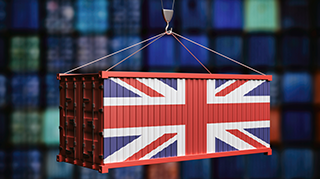
As we pass the first anniversary of post-Brexit rules to streamline VAT reporting and processing when selling to the EU, it is worth recapping on some of the changes, including the Import One Stop Shop (IOSS) scheme and the One Stop Shop (OSS) scheme.
Both are designed to ease the complexities of remaining tax compliant while trading across different EU member states.
The European Union’s rules on VAT reporting and processing for business-to-consumer (B2C) e-commerce sellers came into effect on 1 July 2021.
The entire transaction supply chain — sellers, consumers, sales and payment platforms, postal and freight operators, couriers, customers, and tax authorities — were affected by the new EU VAT rules and the whole supply chain is subject to VAT regardless of their commercial value.
How does IOSS work?
IOSS is designed for non-EU companies who sell goods to non-VAT registered customers in the EU, of a value of 150 euros or less, including those in the UK.
It was designed to simplify the declaration of import VAT for low-value goods after the VAT exemption for import consignments with a value of up to 22 euros was abolished on the 1st of July 2021.
It facilitates the collection, declaration, and payment of VAT for sellers that are making distance sales of imported goods to buyers in the EU.
Businesses using the scheme have to register in one member state, using a local intermediary, and submit a local VAT return for that member state and a one-stop shop return for all other member states, declaring and paying over VAT at the applicable local rate.
When you’re registered, you will receive a unique IOSS identification number to put on all packages under €150 sent to the EU. To use IOSS you need to calculate and charge VAT at point of sale. The invoice needs to be submitted with the package at customs.
Who does the OSS apply to?
The One Stop Shop is designed for companies based in the EU selling goods to customers in other EU countries and because of the Northern Ireland Protocol agreed with the EU, although this may change soon.
The Protocol means that Northern Ireland maintains alignment with the EU VAT rules for goods, including goods moving to, from and within Northern Ireland. However, Northern Ireland is and will remain, part of the UK’s VAT system for now.
Businesses will need:
- To advise HMRC they will be selling goods from Northern Ireland
- Their UK VAT registration number
- The name and permanent place of business
- The Government Gateway user ID and password they used to register for UK VAT
- Bank details including bank identifier code (BIC) and account number (IBAN).
Reanda UK is a subsidiary of leading independent accountancy firm Grunberg & Co Limited. Our aim is to help businesses and individuals to navigate the UK’s world-renowned business and tax