


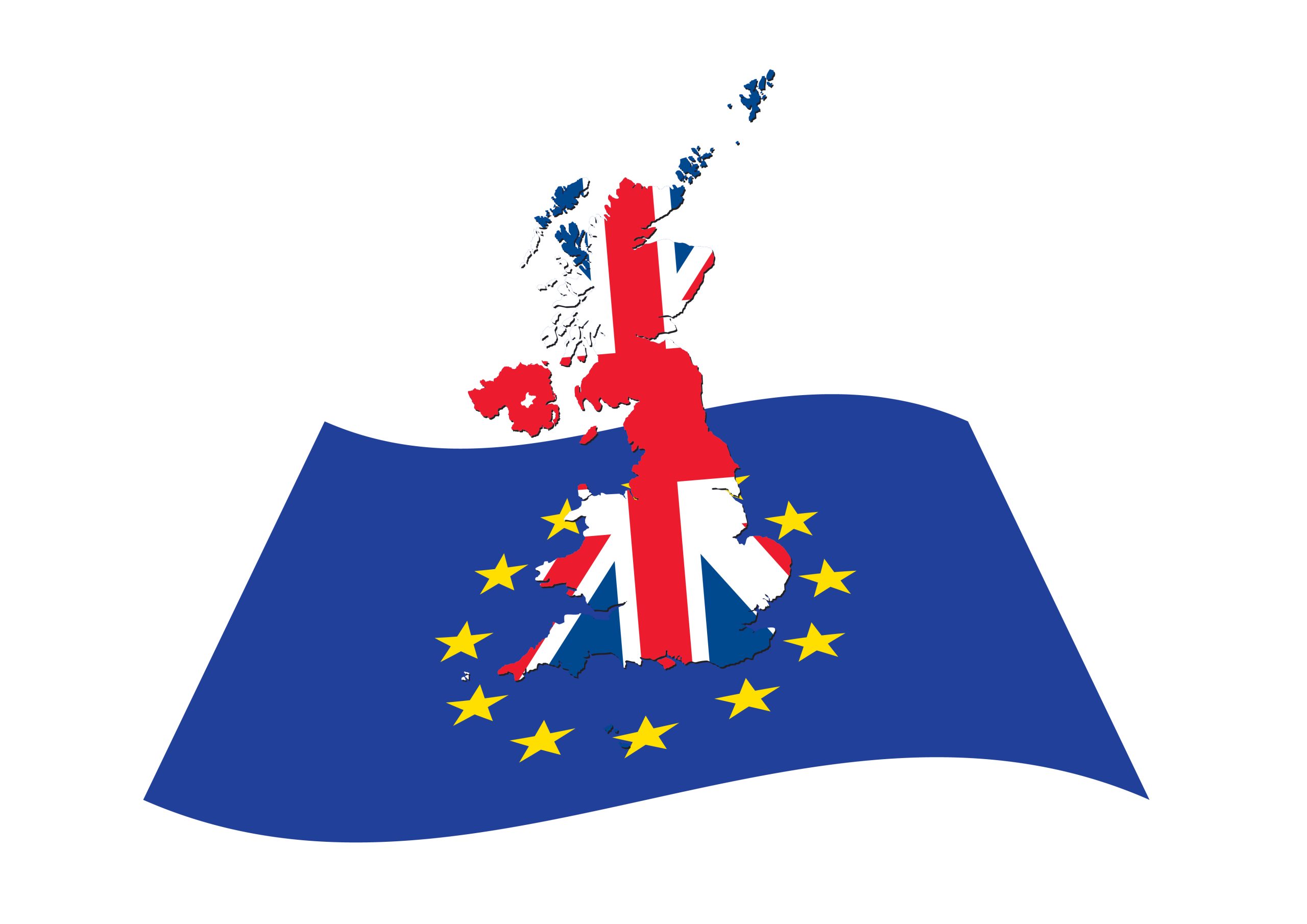
As part of a wider UK-EU agreement announced this week, the newly negotiated sanitary and phytosanitary (SPS) measures represent a change in how food and drink products move across borders.
Alongside other provisions covering carbon trading, data access, and defence co-operation, this element of the deal targets longstanding friction in the movement of goods, particularly for sectors heavily reliant on cross-border supply chains.
For UK businesses operating internationally, the SPS agreement has direct implications for logistics, compliance, and cost control.
Routine checks removed for key goods
Many checks on animal and plant products are being eliminated.
This will reduce hold-ups at border control points, shorten delivery lead times, and lower the chance of consignments being delayed or rejected unexpectedly.
Businesses dealing in perishable or time-sensitive goods are likely to benefit first.
Key outcomes include:
- Faster customs clearance and more predictable delivery schedules
- Lower risk of stock wastage and spoilage
- Less need to build in conservative lead times or over-order
Border uncertainty has forced many firms to carry more stock or make alternate supply arrangements. This new agreement allows for more stable, efficient logistics planning.
Administrative requirements reduced
The agreement strips away a number of complex documentation requirements that have added cost and delay since the end of the transition period.
Fewer veterinary certificates and simpler export declarations mean less reliance on specialist agents and less time diverted to compliance.
This change allows:
- Lower overheads for exporters and importers
- Reduced risk of delays due to incorrect or incomplete paperwork
- Smoother access for smaller exporters previously constrained by red tape
The outcome is a leaner, more accessible cross-border trading process, especially valuable for SMEs re-entering the EU market.
Better internal flow within the UK
The revised terms also simplify the movement of goods from Great Britain to Northern Ireland, removing a major friction point for UK-wide distribution.
This opens the door to:
- Wider product availability across the UK
- Centralised warehousing and reduced duplication
- More consistent service levels for customers in Northern Ireland
This element of the deal strengthens domestic trade flows and reduces operational fragmentation caused by earlier post-Brexit arrangements.
Supply chain cost implications
The practical benefits of reduced checks and paperwork translate directly into cost savings.
Businesses will gain room to improve margins, revise pricing strategies, or reinvest in service and growth.
Over time, this could also ease inflationary pressure on food prices.
Consider reviewing:
- Existing freight and customs support arrangements
- Supplier contracts that assumed higher trade friction
- Inventory models built around slower or less reliable border movements
Strategic supply chain planning can now take place with a clearer sense of border procedures and trade timelines.
Next steps for businesses
The SPS reforms are one part of a wider strategic partnership between the UK and EU.
With other elements of the deal promising changes in energy, security and digital access, businesses should assess the full package of measures in tandem.
Immediate actions include:
- Identifying which product categories qualify for reduced SPS checks
- Engaging with logistics and customs partners to update trade routes and protocols
- Reassessing internal compliance systems and documentation processes
For firms trading with or through the EU, these developments offer practical and strategic opportunities.
The advantage lies in early adaptation and informed implementation.
Reanda UK is a subsidiary of leading independent accountancy firm Grunberg. Our aim is to help businesses and individuals to navigate the UK’s world-renowned business and tax infrastructure, and to support them with their international ambitions. To find out how we can help you, please contact us.