


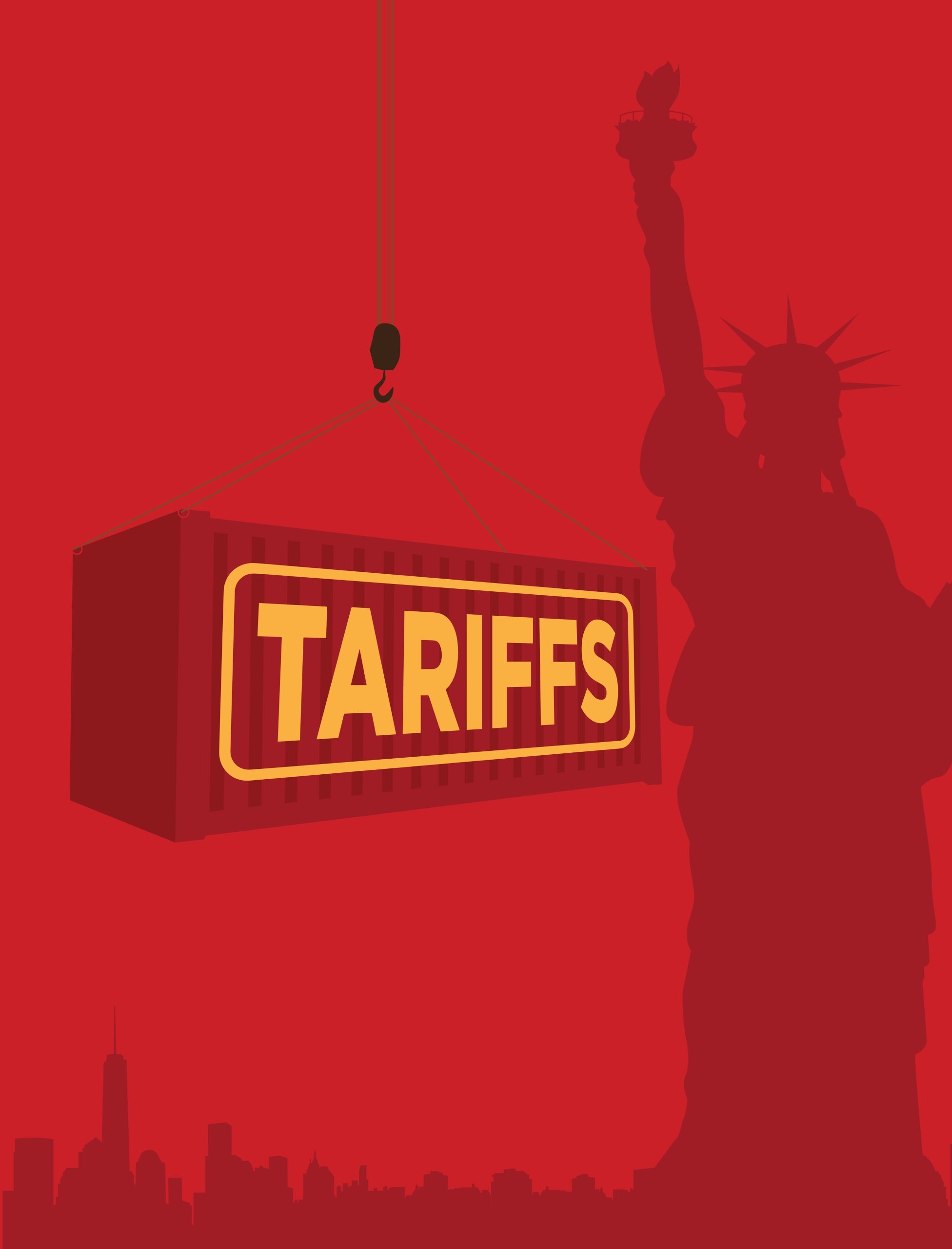
In our previous blog, we highlighted how the 90-day pause on selected US tariffs brought only temporary relief for UK exporters, particularly small and medium-sized businesses.
Now, just weeks later, the situation has taken yet another twist—this time via the US courts.
A New York court has ruled that President Trump’s blanket “reciprocal” import tariffs were illegal.
That may sound like good news. But within twenty-four hours, an appeals court said those tariffs could continue to be collected while the case is argued, with the next hearing set for 5 June.
For UK exporters hoping for clarity, it’s yet another round of legal and political back-and-forth that muddies the waters rather than clears them.
Legal blow or political bluff?
While the court ruling blocks some tariffs, those applied under the “reciprocal” framework on a broad basket of goods like whisky and salmon, it does not touch the high-profile tariffs still hurting the UK’s biggest exporters.
- UK cars are still subject to 27.5 per cent US import duties
- Steel and aluminium face 25 per cent tariffs
- These sectors remain outside the scope of the court ruling
To make matters more complex, the US administration has made it clear it will appeal the ruling.
There are also alternative mechanisms still available to impose tariffs, whether through different sections of US trade law or by pursuing Congressional backing.
In short: the legal fight may have started, but the tariffs haven’t gone anywhere.
The UK-US deal – A waiting game
You may have read that the UK has agreed a deal with the US to reduce car tariffs to 10 per cent and remove duties on steel and aluminium.
That deal exists on paper, but it has yet to come into force.
Until it does, UK exporters are absorbing high tariff costs.
Jaguar Land Rover, for instance, reports “huge” financial hits under the current regime, and industry bodies suggesting firms can simply run down inventories before feeling the pinch have been firmly contradicted by those at the coalface.
Government sources have said the deal is a priority, with Trade Secretary Jonathan Reynolds expected to press for implementation during OECD talks in Paris.
But there is no timeline, and no guarantee.
The real issue? Unpredictability
While the legal rulings are significant, the biggest problem facing UK exporters is not legal, it’s practical.
The inability to make long-term plans due to rapid reversals, political grandstanding, and stop-start negotiations makes business decision-making incredibly difficult.
When you cannot confidently price your goods, forecast margins, or predict delivery costs three months ahead, it becomes harder to sell into the world’s largest economy.
That challenge is being felt not only by major exporters but also by smaller firms reliant on transatlantic trade relationships.
What UK businesses should do now
This situation isn’t static, and nor should your business planning be. We advise that you should:
- Reassess exposure regularly – Don’t rely on annual reviews. With trade conditions shifting rapidly, update your risk assessments quarterly.
- Plan for multiple outcomes – Assume further reversals and delays. Build flexibility into your pricing, logistics, and client terms.
- Model cost impacts – Understand how tariff-related costs (direct or indirect), are affecting your margins, cash flow, and supply chain.
- Communicate with suppliers and customers – Don’t let uncertainty disrupt trust. Be proactive in managing expectations and renegotiating terms where needed.
Keep calm, but keep moving
As we said in our previous article, a cool and calm approach remains essential, but it must be combined with decisive planning.
With political volatility and legal uncertainty both in play, standing still is the greater risk.
If your business is affected by the ongoing US tariff situation, please get in touch.
We’re here to help you deal with what comes next, whatever that may be.
Reanda UK is a subsidiary of leading independent accountancy firm Grunberg. Our aim is to help businesses and individuals to navigate the UK’s world-renowned business and tax infrastructure, and to support them with their international ambitions. To find out how we can help you, please contact us.